
24 Hour Emergency Plumber: Complete Kent Guide
When a pipe bursts at 2am or your boiler fails on a freezing night, the urgency to find an emergency plumber becomes overwhelming fast. Plumbing emergencies don't respect business hours, and knowing how to quickly find a qualified professional can save you thousands in water damage while protecting your property. This guide covers everything Kent homeowners need to know, from recognising a genuine emergency to picking the right engineer and understanding fair pricing.
What Actually Counts as a Plumbing Emergency
Not every plumbing issue needs immediate attention, and knowing the difference saves you an unnecessary emergency call-out fee. Genuine emergencies include a burst pipe actively spraying water, complete boiler failure in freezing temperatures, a suspected gas leak, major flooding, or sewage backing up into the property, along with situations like no hot water affecting vulnerable people or young children in the house.
Things that can usually wait until normal hours: slow drains, a dripping tap, a minor toilet leak, or reduced water pressure without any flooding involved. Getting this distinction right means you're not paying premium rates for something that could have waited, while acting fast on the things that genuinely can't.
What to Look For in an Emergency Plumber
Gas Safe registration is non-negotiable for anything involving gas appliances or boilers, it's the legal minimum, and you should verify the registration number on the official Gas Safe Register before letting anyone start work. Beyond that, look for water regulations compliance, public liability insurance, and any relevant trade body memberships.
Response time matters too. A reputable company gives you a realistic timeframe, typically 60-90 minutes for a genuine emergency within their usual service area, and you should be wary of anyone promising something that sounds too good to be true. Not every plumber has the same specialism either, some focus on drainage, others on heating, so for a boiler emergency specifically, make sure whoever's coming actually has experience with your boiler's brand and type. Companies with a longer trading history generally bring more reliability than a business that's just started out.
Emergency Plumbing Costs
Emergency call-outs cost more than a standard appointment, but knowing the typical range stops you being taken advantage of at a vulnerable moment. Expect a call-out fee of £80-£150 in Kent, with hourly rates of £60-£120 depending on timing and complexity, and weekend or bank holiday rates typically 25-50% higher than a weekday emergency.
Red flags worth watching for: a refusal to give even a rough price range before arriving, pressure to sign off on work without a written quote, vague descriptions of what actually needs doing, a cash-only demand, or a price so much lower than anyone else that it suggests corners will be cut. A professional plumber still gives you a written quote even during an emergency, itemising the problem, the proposed fix, labour and parts costs, the total including VAT, and payment terms, and it's worth keeping this along with photos of the damage for any insurance claim. For bigger repairs, flexible finance options can spread the cost rather than facing one large bill at the worst possible time.
Finding a Qualified Emergency Plumber Near You
Search using specific terms combined with your Kent location, Rochester, Gravesend, Maidstone, whichever applies, for more relevant results. Read recent reviews across multiple platforms rather than relying only on testimonials on the company's own site, genuine patterns across several reviews tell you more than any single glowing one. Personal recommendations are valuable too, though not always available in the moment of an actual emergency, and trade association directories (CIPHE, APHC) offer a level of pre-vetting, though membership isn't the only marker of a good plumber.
Before booking, ask: what's your estimated arrival time for my location, are you Gas Safe registered and can I have the number, what are your call-out fee and hourly rate, do you carry commonly needed parts with you, what payment methods do you take, and do you guarantee the repair. Taking a few minutes to ask these, even under pressure, prevents a costly mistake.
Preparing Before an Emergency Happens
Know where your main water stopcock is before you need it, usually under the kitchen sink, in the bathroom, or where the main enters the property, turning it off immediately is the single most effective thing you can do to limit damage from a burst pipe. Know your boiler's emergency switch and isolation valves too, and familiarise yourself with the filling loop and pressure relief valve on a combi system before something goes wrong, not while it's happening.
A short list worth having ready: a couple of vetted emergency plumbers saved in your phone, a photo of your stopcock and boiler controls for reference, basic tools like an adjustable spanner accessible, your boiler's make and model noted down, and a clear idea of what your home insurance actually covers for emergency repairs. Regular maintenance cuts the odds of an emergency happening at all, annual boiler servicing catches problems early, and the odd look at visible pipework spots corrosion or wear before it becomes a burst pipe.
Common Emergency Issues in Kent Homes
Frozen pipes are one of the most common winter emergencies, especially in older homes with poor insulation or exposed pipework. Kent's harder water areas accelerate limescale build-up too, a common driver of boiler failure, which regular powerflushing helps prevent by clearing accumulated deposits.
Demand shifts through the year: frozen pipes and boiler failures dominate winter, outdoor tap issues and pressure problems pick up in spring, drainage blockages rise in summer with heavier use, and heating systems tend to fail in autumn as they're switched back on after months of disuse. Servicing your boiler in early autumn, ahead of that seasonal restart, catches most of what would otherwise become a winter emergency.
On drainage specifically, watch for multiple drains backing up at once, gurgling from fixtures, sewage smells, or slow drainage across several outlets at the same time, all signs of something more serious than a single blocked sink. Professional drainage services with CCTV cameras and high-pressure jetting diagnose and clear these properly, DIY chemical drain cleaners often make things worse and can damage the pipe itself.
Spotting an Unreliable Operator
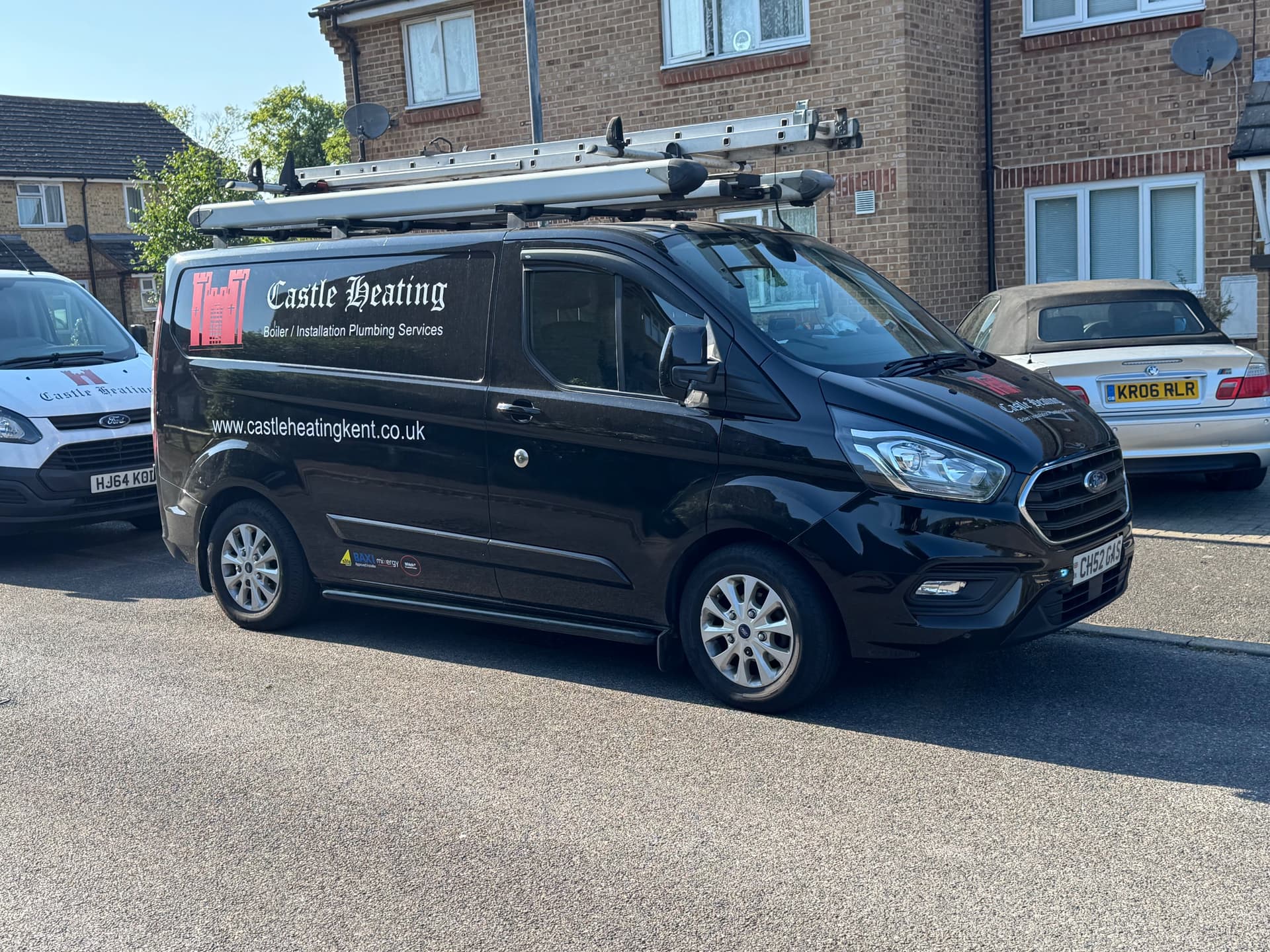
A few warning signs are worth trusting: an unmarked vehicle with no company branding, reluctance to show proof of qualifications or insurance, high-pressure sales tactics for unnecessary extras mid-emergency, a demand for full payment upfront before any work starts, or missing basic safety equipment. A genuine professional turns up in a branded vehicle, carries ID, and explains the problem in plain language rather than jargon designed to justify an inflated bill.
It's worth checking a company's history too, a quick Companies House search confirms registration dates, and consistent positive reviews spanning several years say more than a handful of recent five-star ratings. A business with a genuine, longstanding presence in specific Kent areas tends to know the local properties better and respond faster as a result.
Insurance and Emergency Repairs
Most home insurance covers emergency plumbing repairs, but the distinction between "sudden and unexpected" damage (usually covered) and gradual deterioration (usually excluded) matters a lot when it comes to a claim. Photograph the damage before repairs start, note the time and circumstances, and get an itemised invoice from whoever does the work, insurers will ask for this documentation. Some policies require pre-approval above a certain amount, or specify approved contractors, so it's worth a quick call to your insurer before authorising extensive work where possible, rather than after.
Kent-Specific Considerations
Victorian and Edwardian homes across Rochester and Gravesend often have lead pipes, cast iron drainage or outdated heating systems that need specialist knowledge, while modern estates bring their own set of plastic pipework and combi boiler complexities. Water hardness varies across the county and drives limescale build-up in boilers and appliances without regular maintenance, and coastal properties face additional corrosion risk on external pipework from salt air.
Gas work always needs to comply with the Gas Safety (Installation and Use) Regulations 1998, and water system changes fall under the Water Supply (Water Fittings) Regulations 1999. A professional navigates this without a second thought, a DIY emergency fix can easily breach both, creating problems for insurance and any future sale of the property.